Research & insights / Specialist article
Beyond Human Design · Research methods
Zakat and wealth distribution: how economic models test the effect
Zakat is an Islamic obligation with specified recipients and rules. The Zakat Theorem explores the economic consequences of those rules through simulations and mathematical models.
Editorial research guide to the work of Abdul Zahir Sheikh
Separate the obligation from the policy question
Quran 9:60 identifies categories of recipients. The rate and threshold for particular kinds of wealth are developed through the Sunnah and Islamic jurisprudence. The familiar 2.5 percent rate does not apply identically to every asset. The economic question is whether specified transfers affect the distribution of wealth over time, not whether a simulation establishes the religious duty.
A simple illustrative model
Suppose an eligible household has 100,000 units of qualifying wealth and a 2.5 percent obligation applies. The transfer is 2,500 units before considering any other applicable rules. Across a population, the effect depends on which households pay, who receives the funds, the frequency of transfers and how households save or spend them. This is a simplified illustration rather than a religious ruling.
What an agent-based model adds
A model can represent households with different wealth levels, earnings and savings behaviour. Researchers can compare a baseline without transfers against one with specified redistribution, holding the other assumptions constant. Outcomes might include poverty rates, concentration of wealth or measures of inequality. Running multiple scenarios helps show whether the conclusions depend on a particular assumption.
Interpreting the book’s findings
The Zakat Theorem argues that the Islamic economic rules it examines have desirable properties under its chosen models. Its claims concern those model assumptions and scenarios. Real outcomes also depend on compliance, administration, recipient selection and wider economic conditions. The full publication provides the model details for readers to test.
Sources and further reading
This editorial guide introduces the book’s approach; it is not an independent replication or a substitute for the complete research.
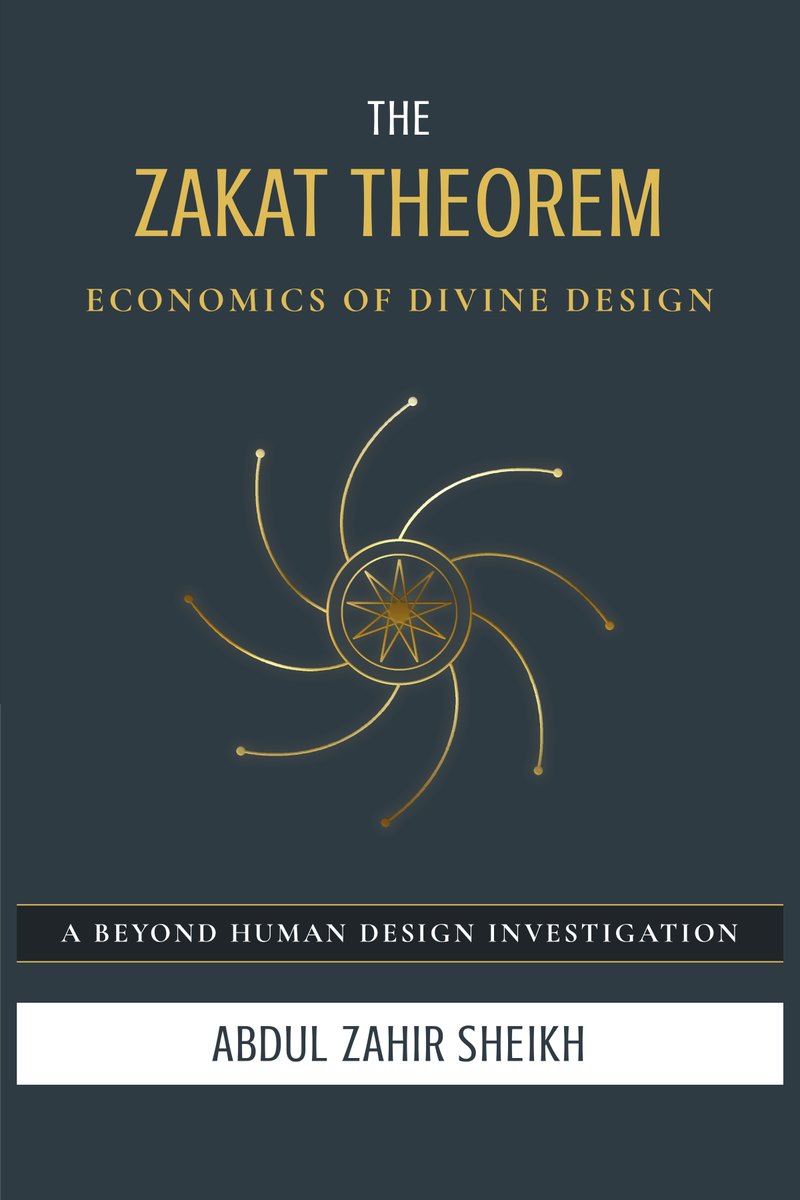
The Zakat Theorem
Explore the complete investigation, available formats and purchase options.
Explore the book