Research & insights / Research guide
Beyond Human Design
Zakat and wealth distribution: an Islamic economics perspective
Zakat is an obligatory form of giving in Islam. The Zakat Theorem asks how Islamic economic rules affect wealth distribution and whether their outcomes can be investigated using modern economic modelling.
Editorial reading guide to the work of Abdul Zahir Sheikh
How the research approaches the question
The author considers strategic decisions, zakat, inheritance shares and riba through game theory, agent-based simulation and the mathematics of debt. The book distinguishes the Quranic categories of recipients from the rate and threshold described in the Sunnah.
What the evidence can and cannot establish
The book argues that its simulations support the distributional effects of zakat and inheritance. Model results depend on assumptions about income, savings, compliance and population dynamics. They should not be treated as forecasts or proof that every implementation eliminates poverty.
Is zakat always 2.5 percent?
The familiar rate applies to certain qualifying wealth under relevant conditions; other asset categories have different rules. Consult qualified guidance for an individual calculation.
Further reading and sources
The related book sets out the full argument, sources and methodology. This guide is an introduction, not an independent replication or review of the findings.
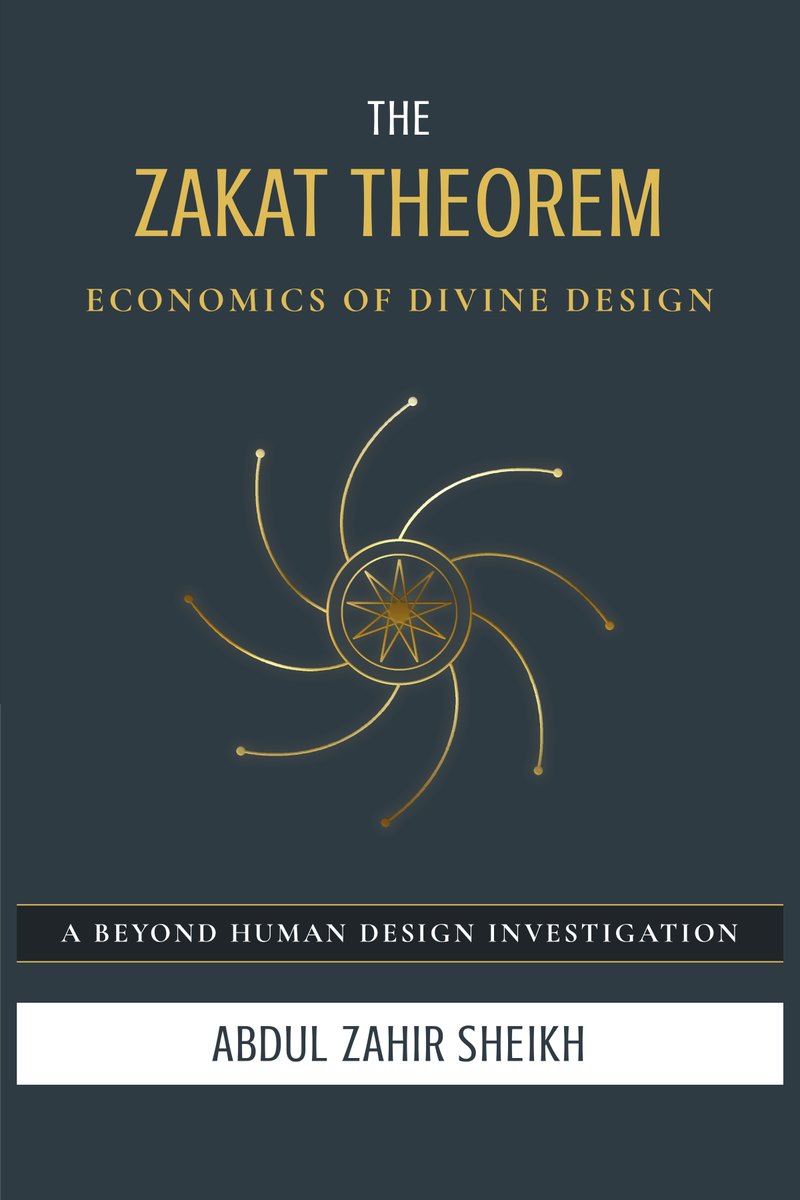
The Zakat Theorem
Explore the complete investigation, available formats and purchase options.
Explore the bookContinue exploring
Related research
Zakat and wealth distribution: how economic models test the effect