Research & insights / Research guide
Beyond Human Design
Quranic authorship: linguistic, literary and historical evidence
The Googol Verdict extends the first volume through twenty-two additional findings, organised into nine lines of investigation. It aims to build a qualitative portrait of the author rather than multiply further probabilities.
Editorial reading guide to the work of Abdul Zahir Sheikh
How the research approaches the question
The book considers computational linguistics, information theory, chapter architecture, rhyme and metre, opening letters, textual coherence, manuscripts, oral composition and the historical setting. Comparing these disciplines allows a reader to examine whether the same explanation fits different kinds of evidence.
What the evidence can and cannot establish
The author regards convergence as evidence against human authorship. Distinct disciplines do not automatically mean independent findings: several measurements can reflect the same textual feature. Manuscript evidence can establish early transmission without identifying a supernatural source.
How does this differ from Volume I?
Volume I focuses on five quantified tests. Volume II presents a wider qualitative case and considers the attributes the author believes the evidence implies.
Further reading and sources
The related book sets out the full argument, sources and methodology. This guide is an introduction, not an independent replication or review of the findings.
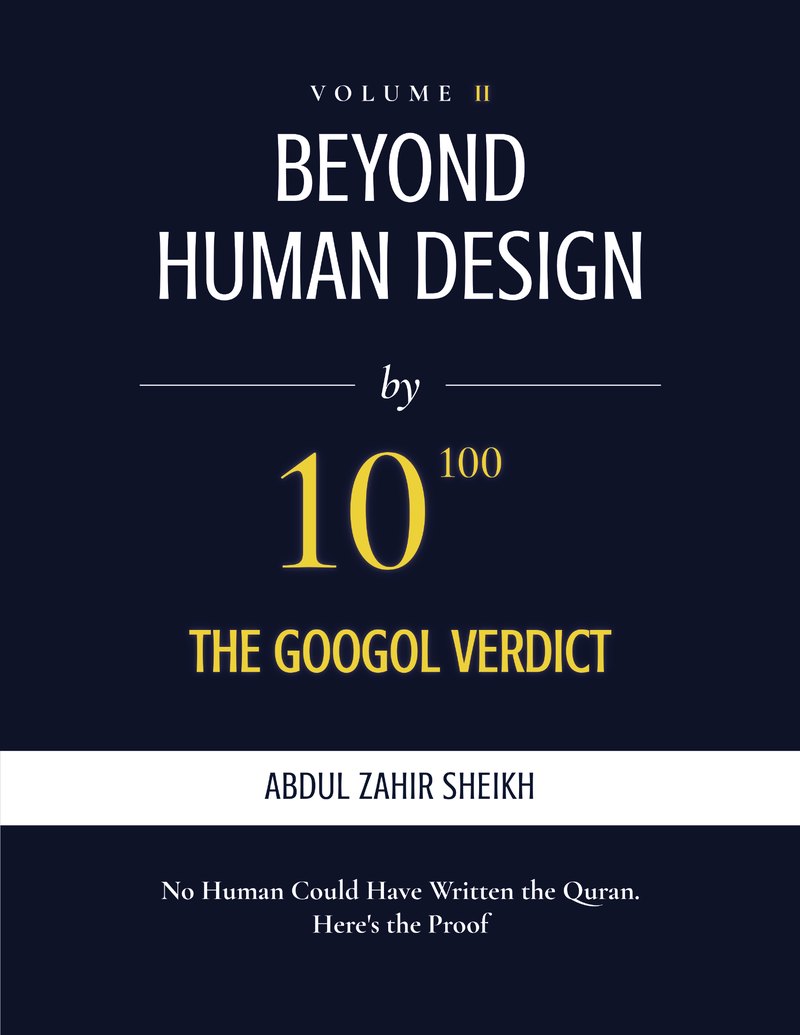
The Googol Verdict
Explore the complete investigation, available formats and purchase options.
Explore the bookContinue exploring
- Who wrote the Quran? Five forensic tests of authorship
- How can religious scriptures be authenticated? Seven forensic tests