Research & insights / Research guide
Beyond Human Design
Ramadan fasting and human behaviour: what research can measure
The Ramadan Experiment examines published evidence about behavioural changes during Ramadan and asks which changes are attributable to fasting rather than to season, community or schedule.
Editorial reading guide to the work of Abdul Zahir Sheikh
How the research approaches the question
The lunar calendar shifts Ramadan through the seasons and fasting duration varies with latitude. The book uses this variation to assess research on judgement, wellbeing, sleep, metabolism, giving and work. It grades evidence against criteria set before assessment.
What the evidence can and cannot establish
The author reports that three domains meet the book’s causal evidence threshold, while other changes have less clear causes. Observational research has limitations and individual health responses vary. The book acknowledges measurable costs as well as benefits.
Is fasting a proven treatment for illness?
No such conclusion follows from this investigation. People with health conditions should seek appropriate medical and religious guidance.
Further reading and sources
The related book sets out the full argument, sources and methodology. This guide is an introduction, not an independent replication or review of the findings.
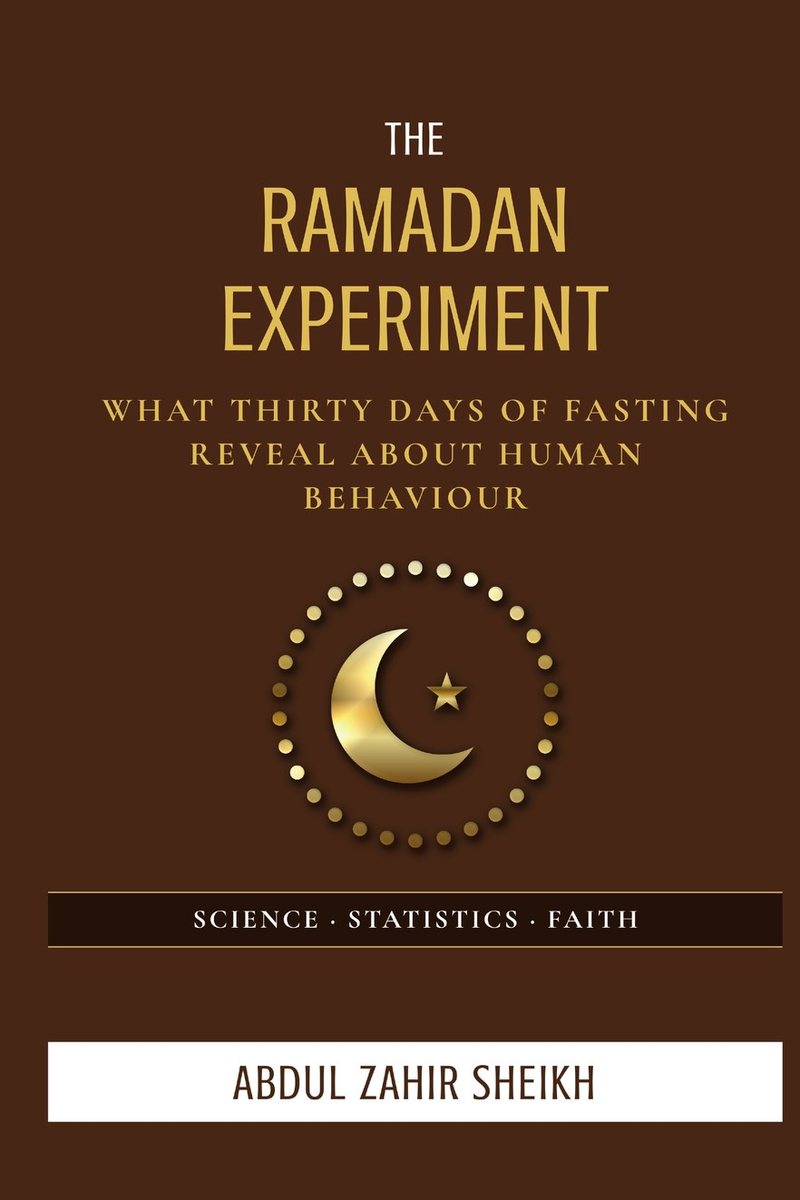
The Ramadan Experiment
Explore the complete investigation, available formats and purchase options.
Explore the bookContinue exploring
Related research
Ramadan as a natural experiment: separating fasting from other influences