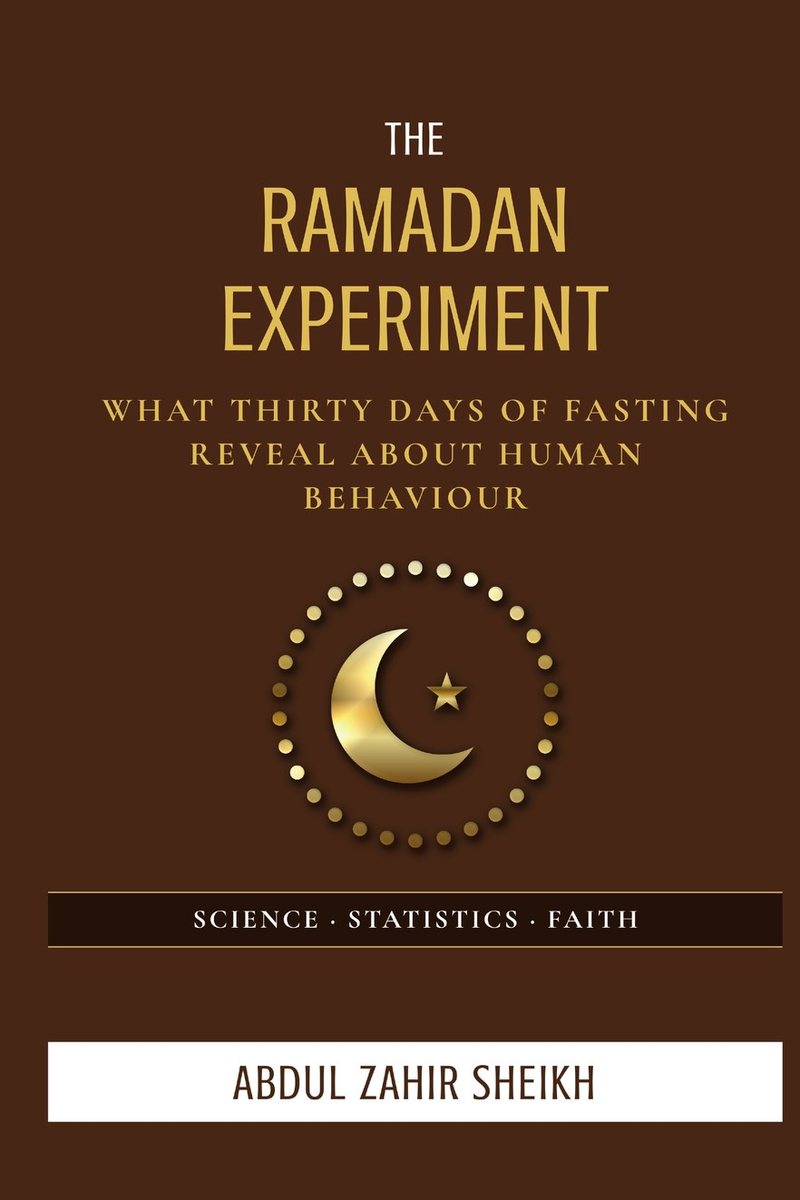
The Ramadan Experiment
Science · Statistics · Faith
What Thirty Days of Fasting Reveal About Human Behaviour
What does a month of fasting actually change? Courts, hospitals, police files and markets from more than thirty countries, graded on one scale, with costs counted beside benefits.
- Paperback
- 978-9914-776-56-0
- Hardcover
- 978-9914-776-55-3
- eBook
- 978-9914-776-54-6
The book in ten slides
About three minutes; each slide stays up long enough to read
About the book
Ramadan arrives each year carrying two sets of claims. Until recently, almost no one could check either.
Those who keep the fast speak of calm, restraint and generosity. Those who watch from outside speak of short tempers, slow offices and crowded roads at sunset. This book asks for the record: what changes measurably in human behaviour during Ramadan, and how much of that change belongs to the fast and the faith rather than to season, community or schedule?
The month turns out to be a natural experiment. The lunar calendar carries the fast through every season, and latitude lengthens or shortens the day, so a longer fast can be compared with a shorter one in the same place. The book reads that evidence — court records, police files, hospital data, tax returns, stock exchanges and surveys — and grades every finding on one ladder: is the change real, and how far can it be attributed to the fast?
The four tests, and the result that would prove the book wrong, are set out before a single study is examined.
Costs are graded exactly as benefits are. Sleep falls by about an hour a night. Household spending and food prices rise. Fasting in early pregnancy is followed by costs that can last a lifetime. Crime does fall in Ramadan, and the book shows that the fast is not what lowers it.
The verdict is stated with its margin. The book required three domains, from three independent research teams, to pass all four tests. Three do: the decisions of judges, reported well-being, and terrorist violence. Each rests on a single study, and the book says plainly what one failed replication would do to the result.
It also knows where its method stops. No dataset can show intention, sincerity, or whether a fast is accepted.
Written by Abdul Zahir Sheikh, a Certified Fraud Examiner and Senior Partner at BDO East Africa with four decades of investigative experience across fourteen countries, the book ends with The Ramadan Record: pages for readers to keep through their own month, and to read again after Eid.
Thirty days. More than a billion observations. One verdict, stated with its margin.
More books
 The Quran’s Hidden Architecture
 The Googol Verdict
 The Creator’s Signature on the World He Made
 Knowing the Creator
 The Authentication Test
 The Origination Map
 The Common Source
 The Network of Truth
 The Zakat Theorem
 The Crucifixion File
 The Just Law
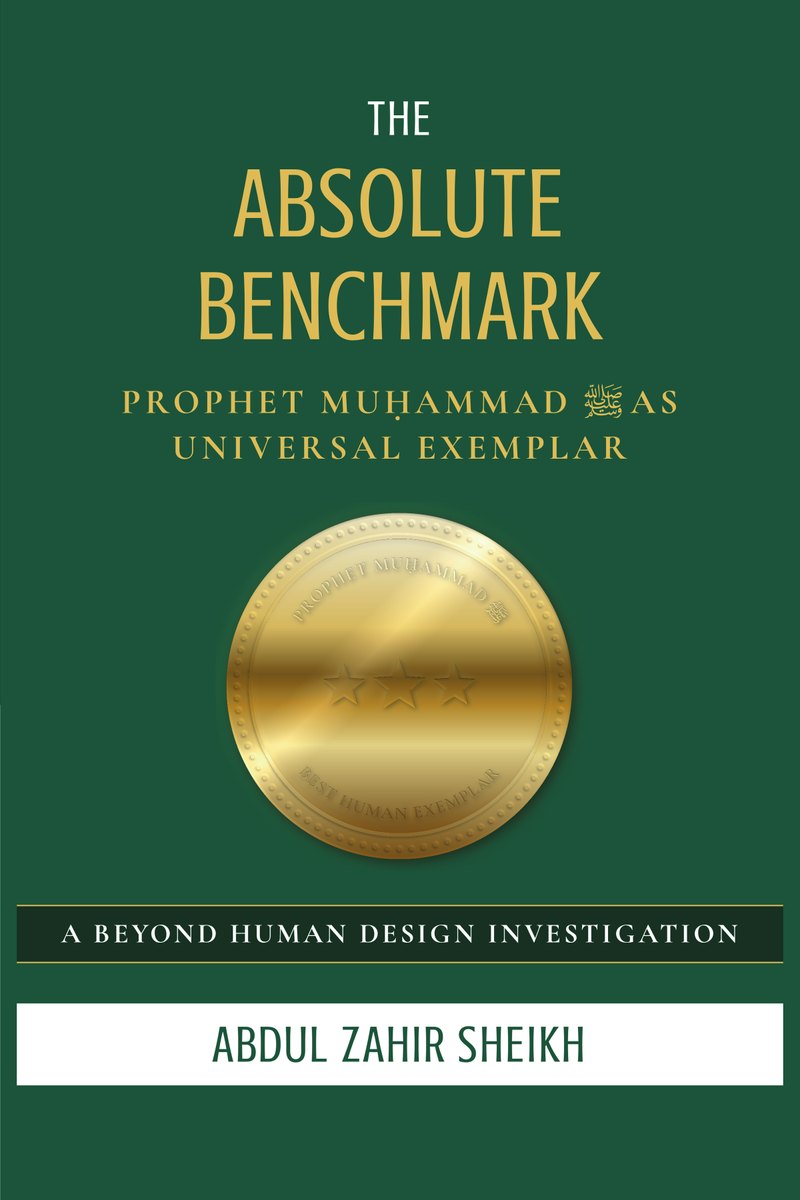 The Absolute Benchmark
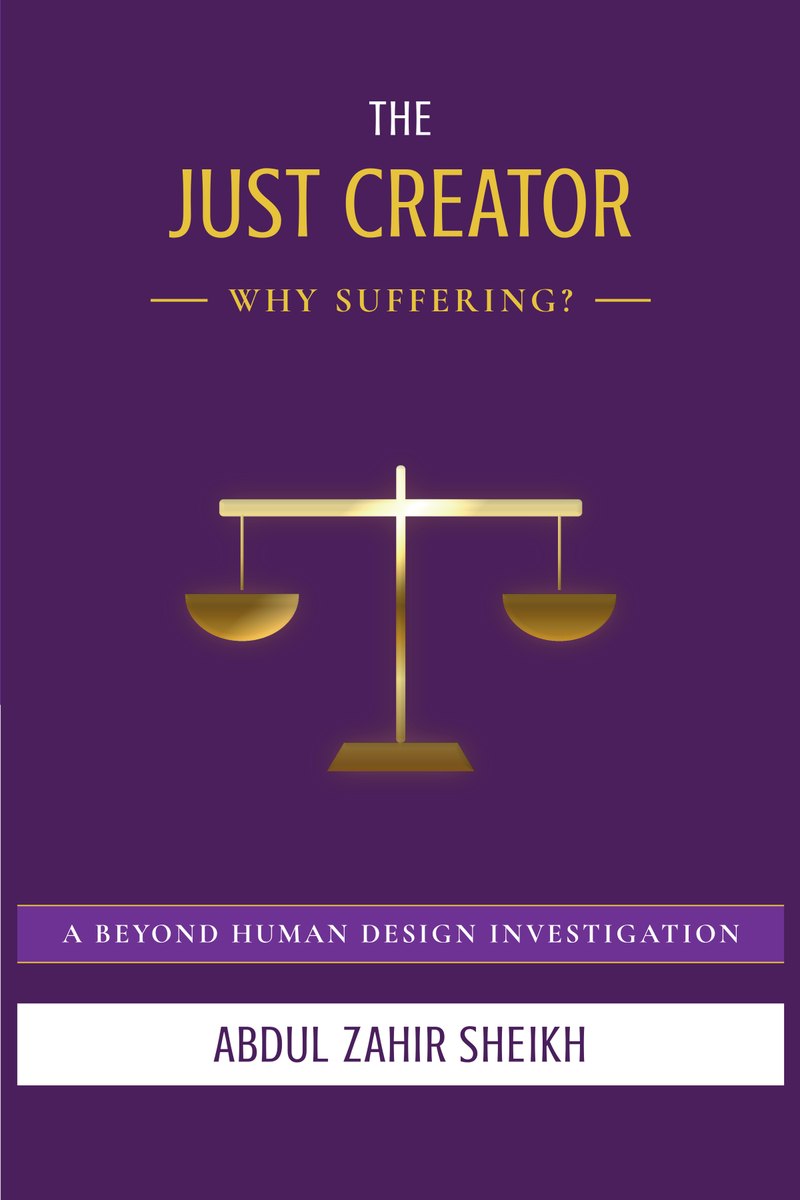 The Just Creator
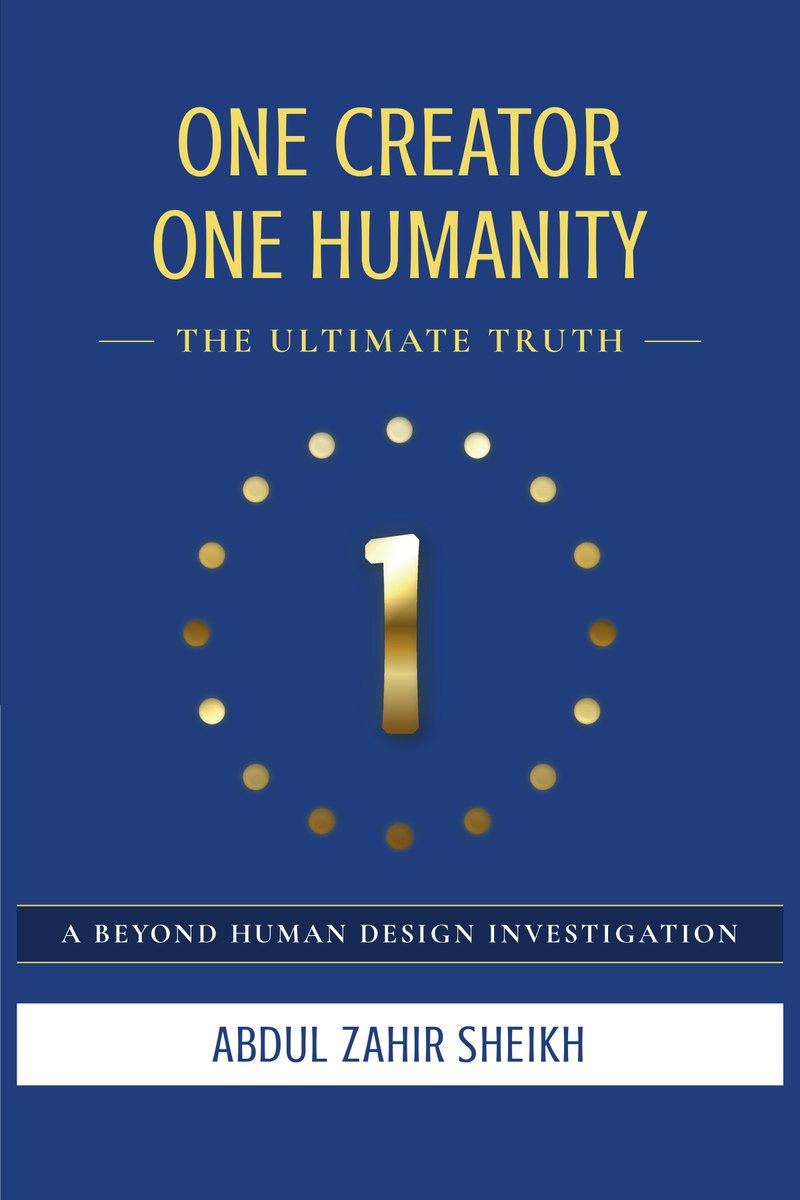 One Creator, One Humanity
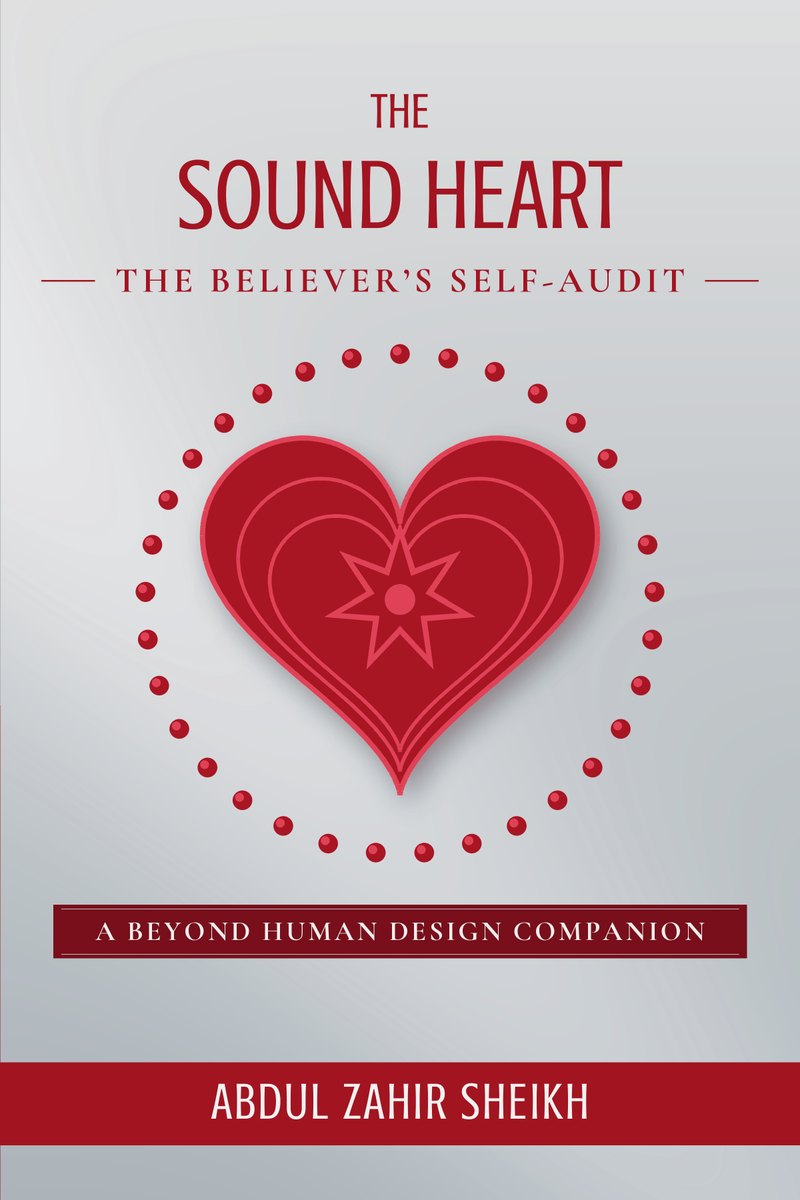 The Sound Heart
 The Leadership Evidence Map
 Business Results at the Speed of AI
 The Incentive File
 The Board’s Evidence