Research & insights / Research guide
Beyond Human Design
How can religious scriptures be authenticated? Seven forensic tests
The Authentication Test proposes a common forensic framework for texts claiming divine origin through a messenger. It asks whether each text fits the conditions of its own claimed production.
Editorial reading guide to the work of Abdul Zahir Sheikh
How the research approaches the question
Seven tests examine provenance, architecture, linguistic fingerprint, anachronisms, claims about the natural world, borrowing and alternative explanations. The book applies a pass, partial or fail assessment to a comparison set that includes the Quran, Torah, New Testament and other texts.
What the evidence can and cannot establish
Sheikh concludes that the Quran meets all seven tests. The framework is his proposed method, not an established universal standard in religious studies. Different traditions understand inspiration and authorship differently, which affects what a fair comparison requires.
What does chain of custody mean for scripture?
It means tracing the transmission and documentary history of a text. Surviving manuscripts, copying histories and testimony can inform that inquiry without settling its theological status.
Further reading and sources
The related book sets out the full argument, sources and methodology. This guide is an introduction, not an independent replication or review of the findings.
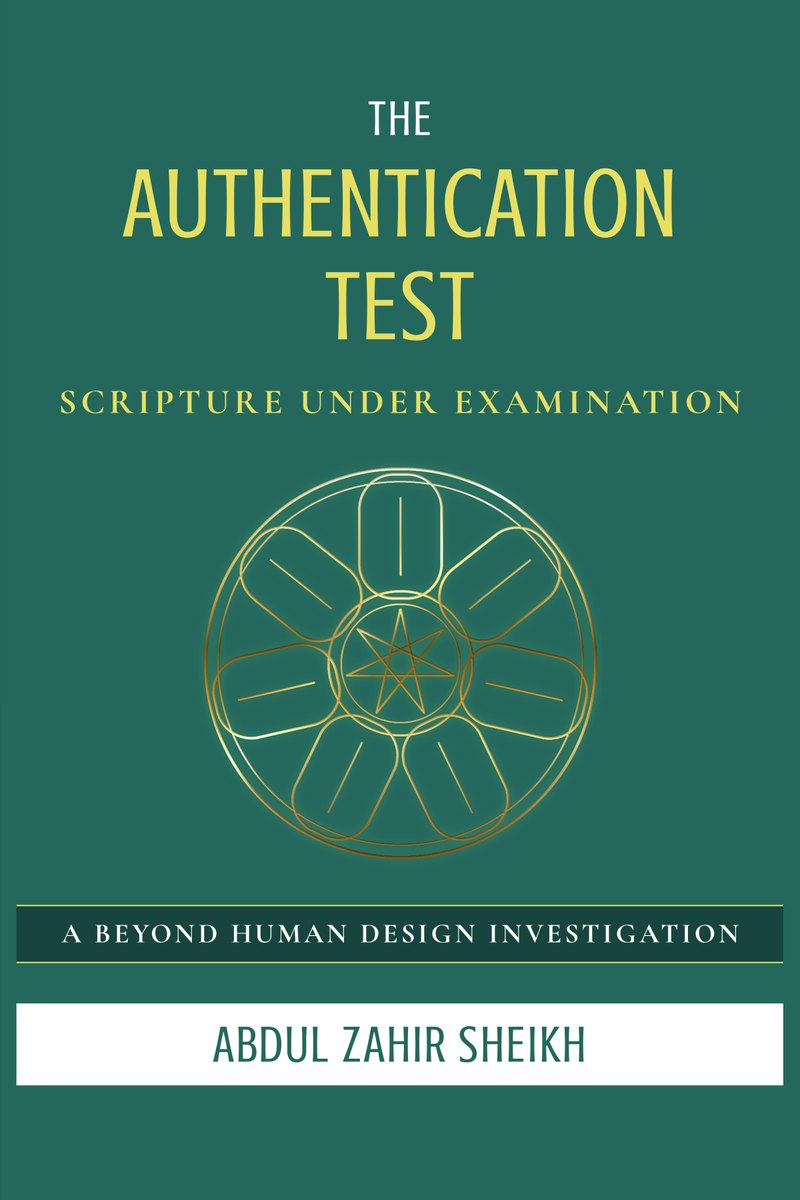
The Authentication Test
Explore the complete investigation, available formats and purchase options.
Explore the bookContinue exploring
Related research
Chain of custody in scripture research: what can manuscripts establish?