Research & insights / Specialist article
Beyond Human Design · Research methods
How to conduct a spiritual self-audit: evidence from everyday conduct
The Sound Heart applies a forensic approach to personal reflection: examine actual behaviour rather than relying only on intentions or self-perception.
Editorial research guide to the work of Abdul Zahir Sheikh
Start with observable conduct
Choose a recurring situation, such as keeping a promise, responding to criticism or returning something owed. Record what happened, what you did and who was affected. Avoid scoring yourself on a general impression of character. The aim is to identify patterns that can be addressed in daily life.
Separate evidence from interpretation
A missed commitment is an observation. The reason for missing it may require reflection. A single action does not establish a permanent character trait. Repeated observations can help distinguish an isolated lapse from a recurring habit. A private journal can support the process without exposing another person’s confidential information.
Turn findings into practical action
Select an area where change is possible. Define a concrete action, such as recording commitments and checking them each evening. Where another person has been harmed, consider appropriate restitution and seek guidance if the situation is complex. Review progress periodically and revise the action if it is not working.
The limits of self-assessment
In Islamic teaching, Quran 26:88–89 emphasises the sound heart. The book uses observable behaviour as a basis for reflection and remediation, not as a means of determining divine judgement. A personal audit is a tool for growth, not a spiritual ranking of oneself or other people.
Sources and further reading
This editorial guide introduces the book’s approach; it is not an independent replication or a substitute for the complete research.
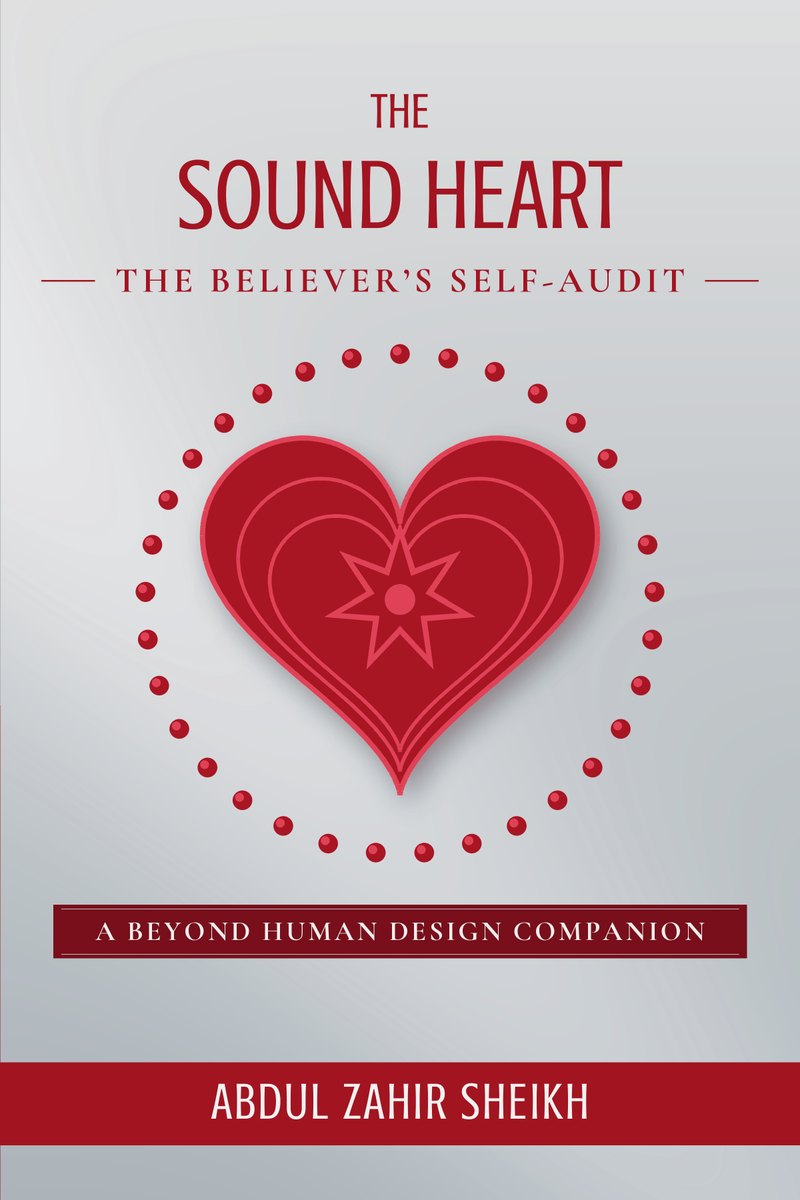
The Sound Heart
Explore the complete investigation, available formats and purchase options.
Explore the book