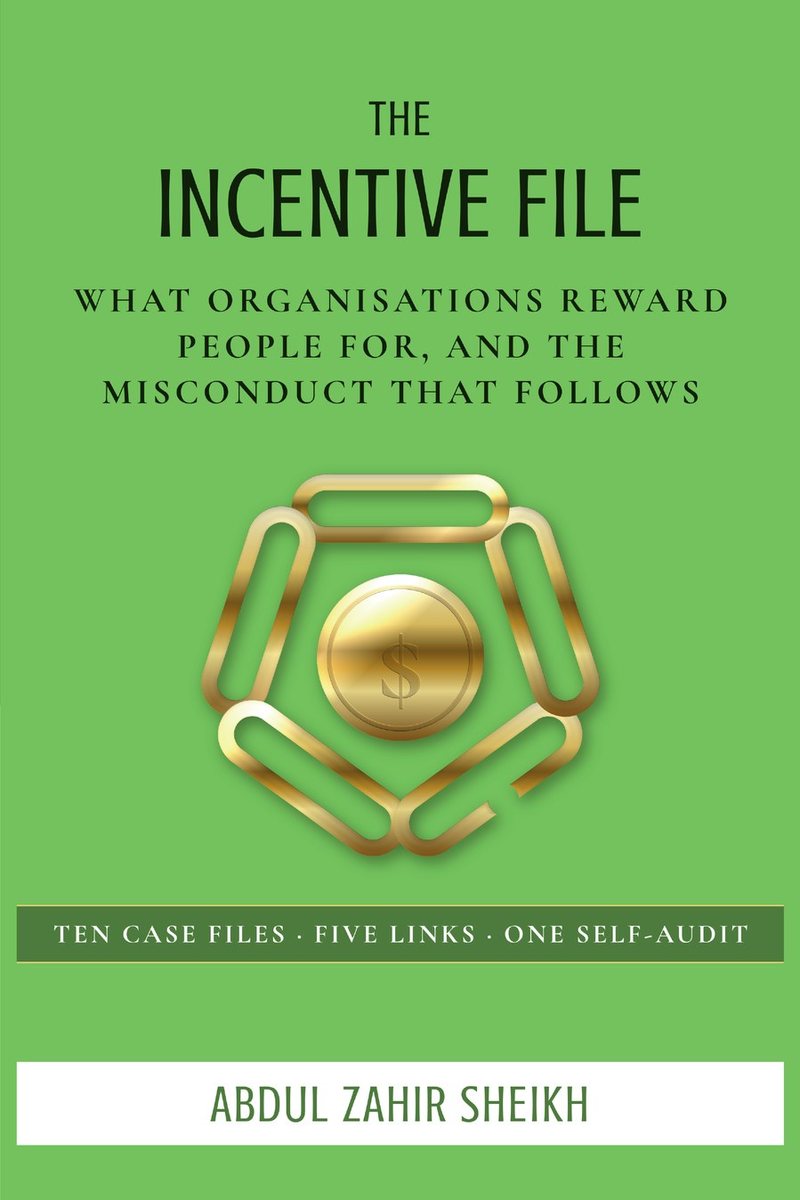
The Incentive File
Ten Case Files · Five Links · One Self-Audit
What Organisations Reward People For, and the Misconduct That Follows
Before asking who committed misconduct, ask what the organisation rewarded. Ten case files, a five-link trace and a self-audit any board can run on its own pay plans.
- Paperback
- 978-9914-776-52-2
- Hardcover
- 978-9914-776-51-5
- eBook
- 978-9914-776-53-9
The book in ten slides
About three minutes; each slide stays up long enough to read
About the book
When thousands of people commit the same misconduct, why does every investigation still begin with one of them?
Most investigations start with the person who did it: who forged the signature, who changed the answer sheet, who booked the income that was not there. Those questions matter, and this book asks them too. It asks a different question first: what did the organisation reward that person for doing?
The auditing standard on fraud already lists pressure to meet targets among the conditions in which fraud occurs. What has been missing is a method for answering the question with evidence — for showing, from documents, whether a particular incentive caused particular misconduct, and how sure anyone can be.
The test is stated before any case is examined. So is the result that would prove the book wrong.
The Reward-to-Conduct Trace follows five links from the incentive to the conduct, with a standard of evidence for each. Every source is graded. Then the Trace is applied to ten case files: Lloyds TSB and Bank of Scotland, Wells Fargo, Tesco, Bristol-Myers Squibb, the US Department of Veterans Affairs, Atlanta Public Schools, police recorded crime in England and Wales, Fannie Mae, Kraft Heinz and the English NHS under star ratings.
The book set its own bar in advance: two-thirds of the case files. Eight of ten clear it. The book shows exactly how little room that leaves — a margin of one case — and publishes every grading so that readers can re-grade the files for themselves.
A finding that a design caused misconduct never clears the people who committed it. It names a second party.
The final part turns the evidence into practice: twelve red flags that can be read in a pay plan before it launches, a control matched to each, and the Incentive Self-Audit, five steps a board can run on its own records.
Written by Abdul Zahir Sheikh, a Certified Fraud Examiner and Senior Partner at BDO East Africa with four decades of investigative experience across fourteen countries, it is written for the people who approve incentive plans and the people who check them: directors, chairs of audit and remuneration committees, finance directors, heads of reward, internal auditors, fraud examiners and regulators.
Read the incentive file first. Read last, it explains why the dismissals changed so little.
More books
 The Quran’s Hidden Architecture
 The Googol Verdict
 The Creator’s Signature on the World He Made
 Knowing the Creator
 The Authentication Test
 The Origination Map
 The Common Source
 The Network of Truth
 The Zakat Theorem
 The Crucifixion File
 The Just Law
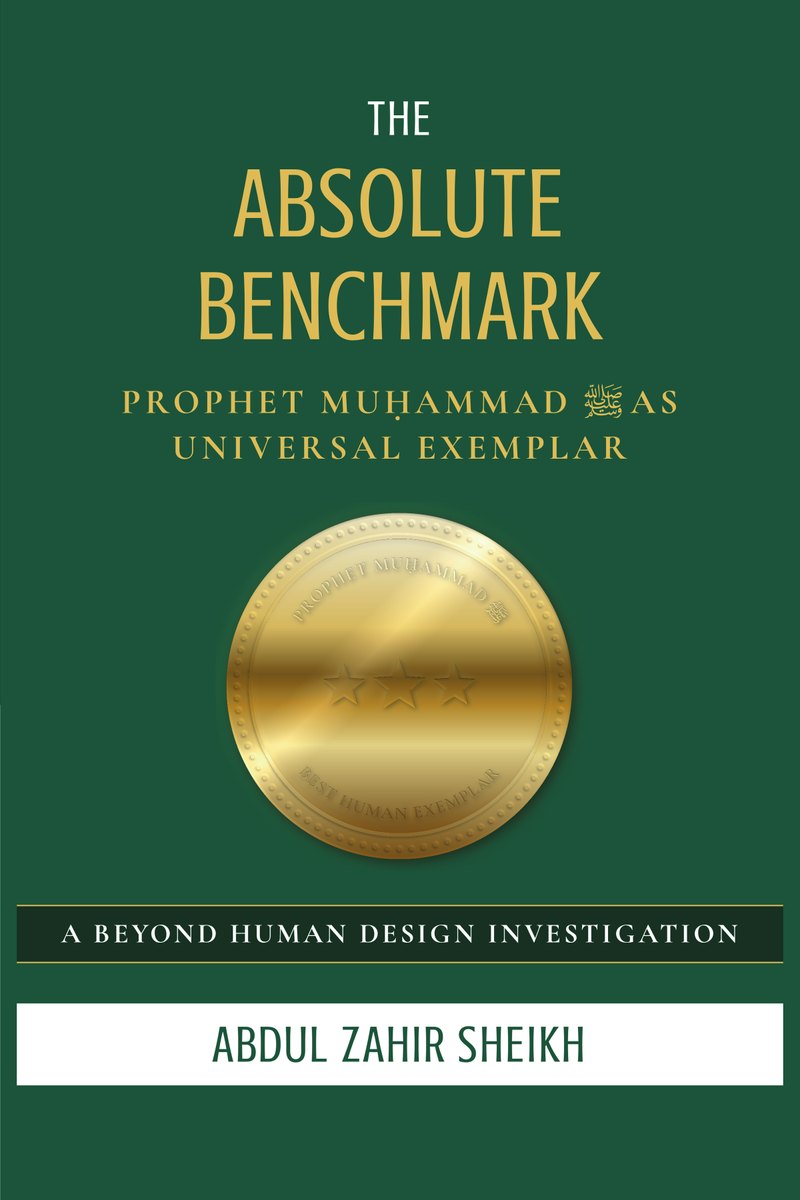 The Absolute Benchmark
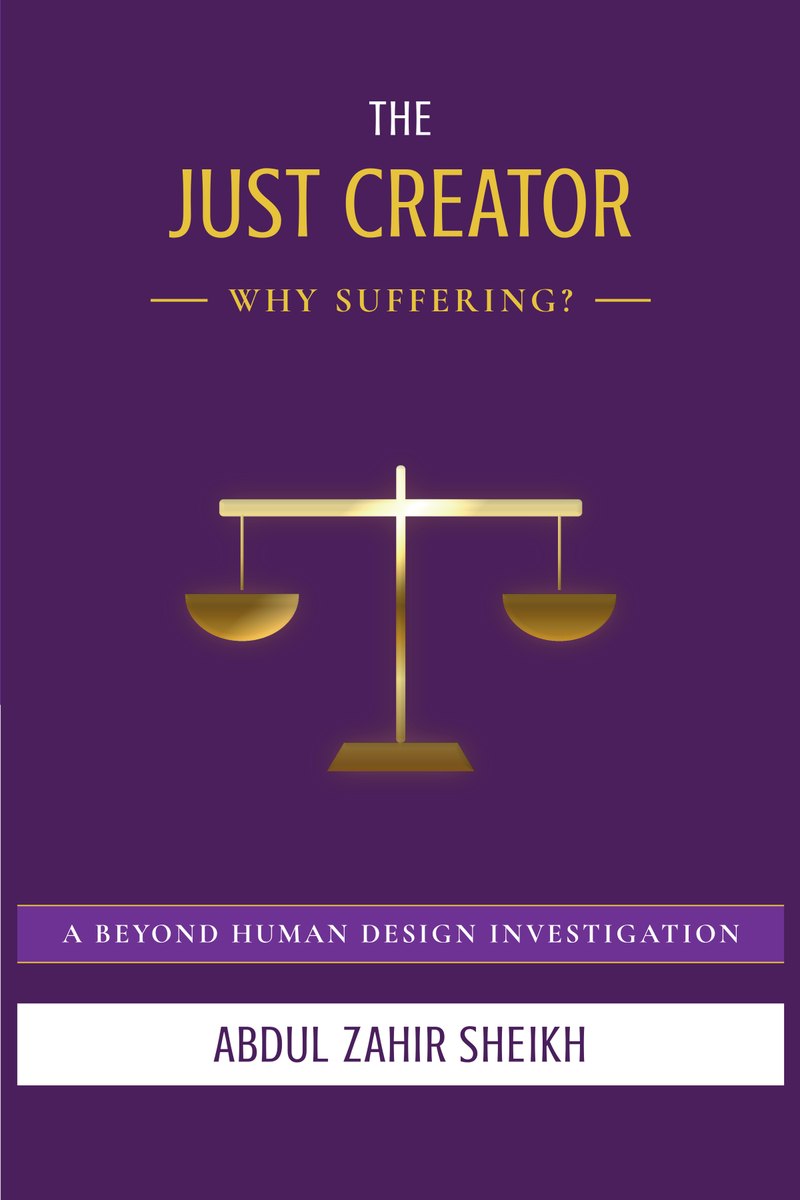 The Just Creator
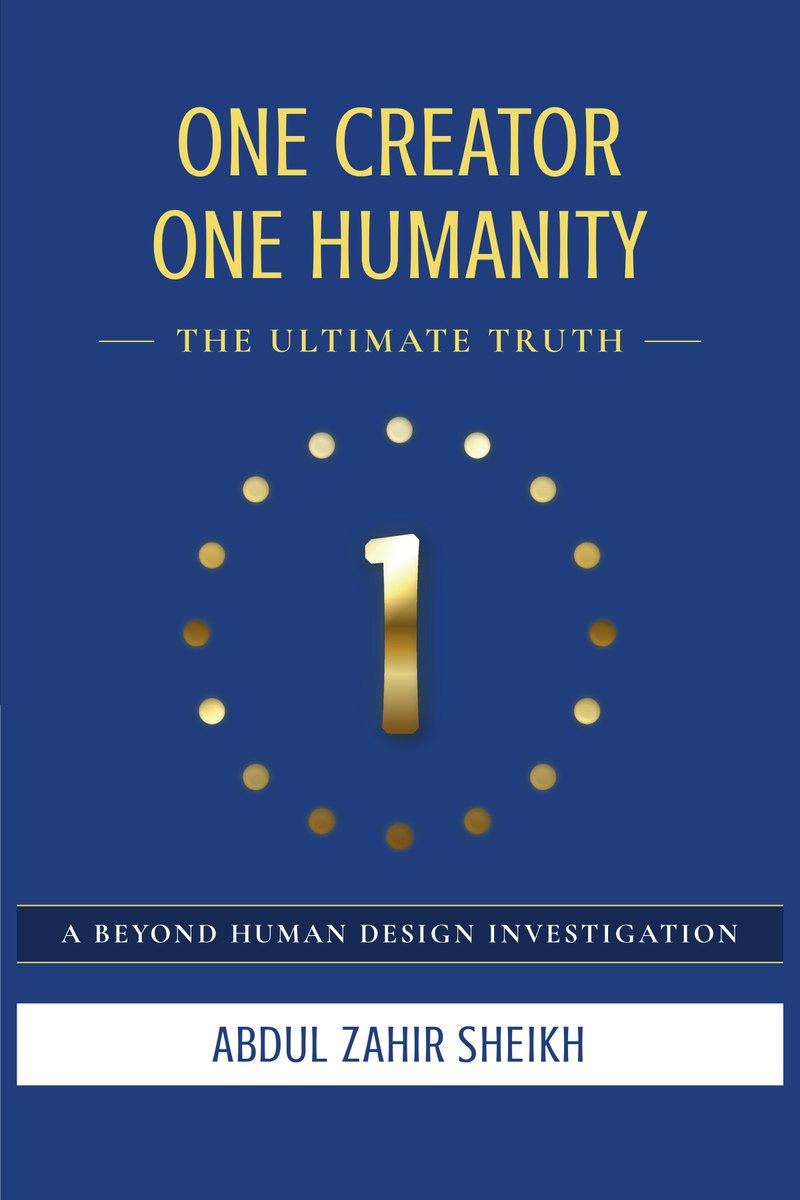 One Creator, One Humanity
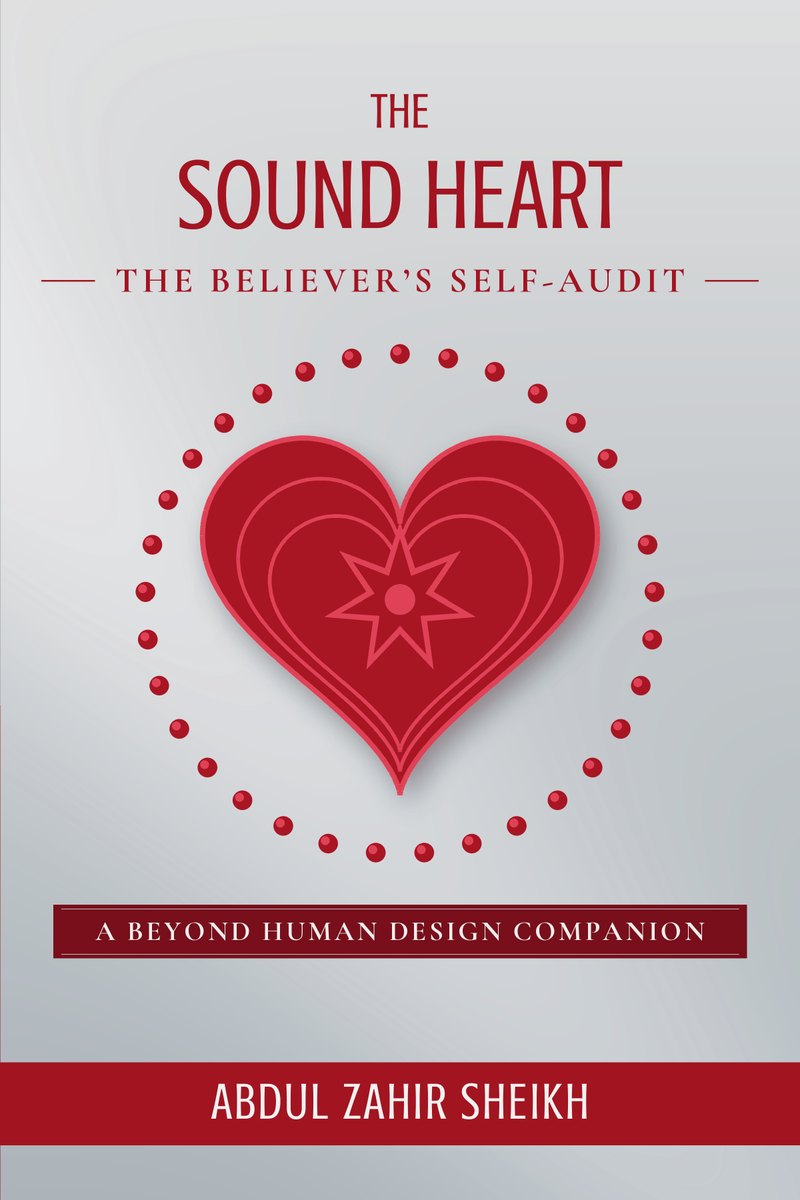 The Sound Heart
 The Leadership Evidence Map
 Business Results at the Speed of AI
 The Board’s Evidence
 The Ramadan Experiment