Insights / Practical guide
Faith & Evidence
Preparing a Muslim estate: a records checklist
Preparing records during your lifetime can reduce uncertainty for those who will administer your estate. Begin with a clear inventory of obligations and documents.
Editorial guide to the work of Abdul Zahir Sheikh.
List assets and obligations
Record accounts, property, business interests and debts with the relevant institution and document location. Note jointly owned property separately. Do not include passwords or sensitive account credentials in an unsecured checklist.
Keep the documents current
Identify your existing will, ownership records and any relevant agreements. Record their dates and where originals can be found. Review the inventory after major family or financial changes.
Identify questions for qualified advisers
Religious inheritance rules and local succession law may interact differently across jurisdictions. Ask a qualified local lawyer and knowledgeable religious adviser to review the proposed arrangements, particularly where property or heirs are in multiple countries.
Make the information accessible safely
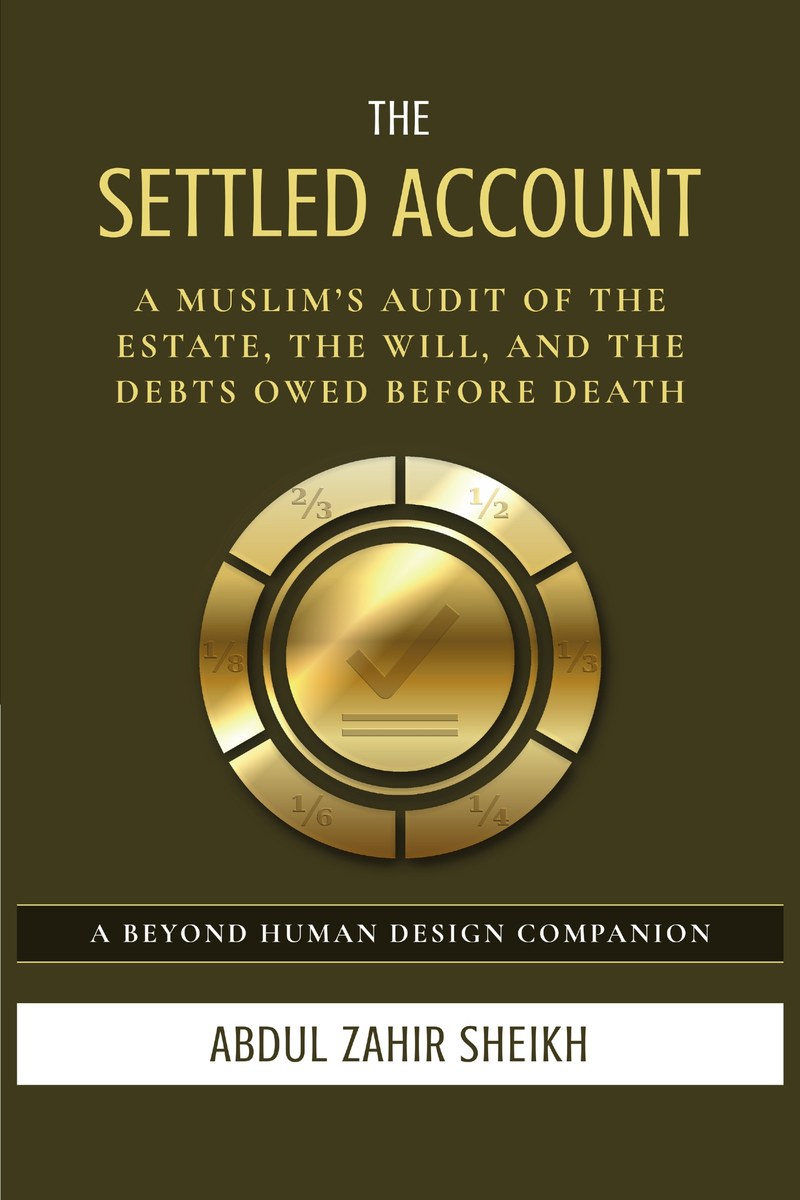
Tell the appropriate trusted person how to locate the records without distributing confidential information unnecessarily. The Settled Account provides a wider estate self-audit and country-specific annexes; this introductory checklist does not determine inheritance shares or provide legal advice.
Further reading
The Settled Account: book overview and methodology. The guide is an introduction, not a substitute for the full book or professional advice.