Insights / Practical guide
Business & financial protection
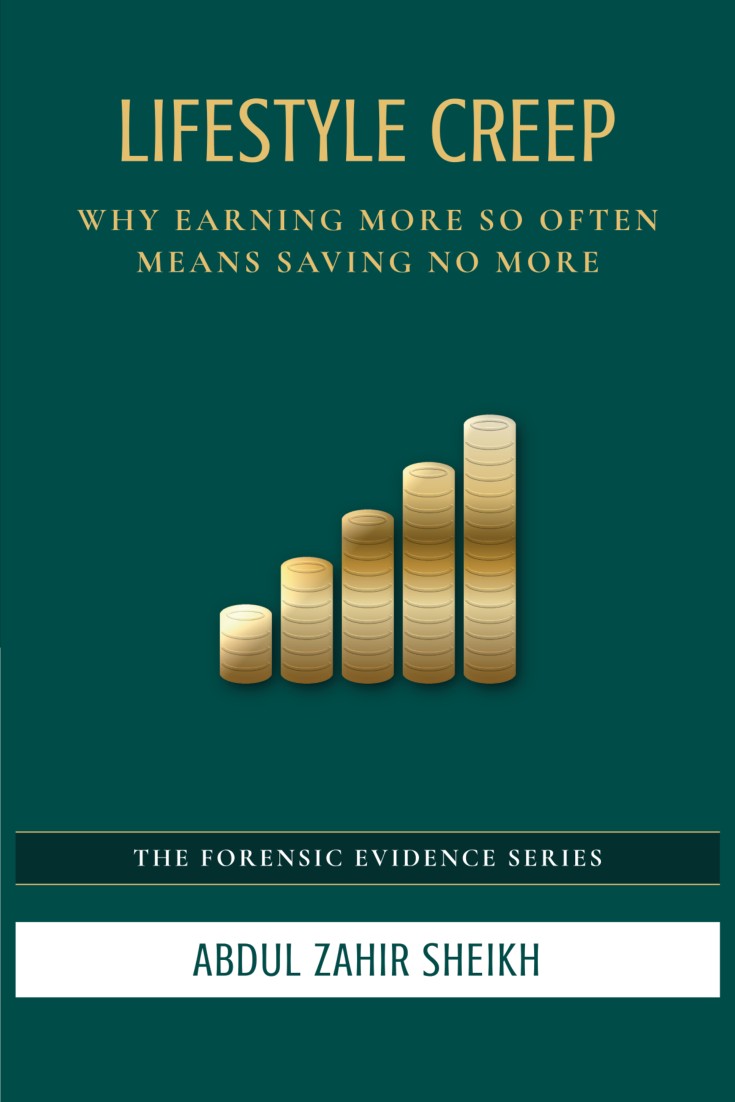
Lifestyle creep: how to review your spending after a raise
A pay increase does not automatically increase savings. A simple comparison of income and spending can reveal where the extra money went.
Editorial guide to the work of Abdul Zahir Sheikh.
Compare like with like
Choose two comparable periods and calculate take-home income, essential expenses, discretionary spending and savings. Include irregular costs such as insurance and school fees; avoid counting transfers between your own accounts as spending.
Separate price increases from choices
Higher rent, food prices or family responsibilities may explain some increases. Distinguish these from optional recurring commitments. The aim is to understand the numbers, not assign blame.
Try a worked example
If monthly take-home income rises from 2,000 to 2,300 and spending rises from 1,800 to 2,050, monthly savings increase from 200 to 250. Only 50 of the 300 increase remains. Use your own currency and actual records.
Make a plan for the next increase
Choose a realistic amount for savings, debt reduction and spending before a raise arrives. Review actual results after a few months. This is general educational information, not personalised financial advice.
Further reading
CFPB: assess your spending. The guide is an introduction, not a substitute for the full book or professional advice.