New title · listings pending
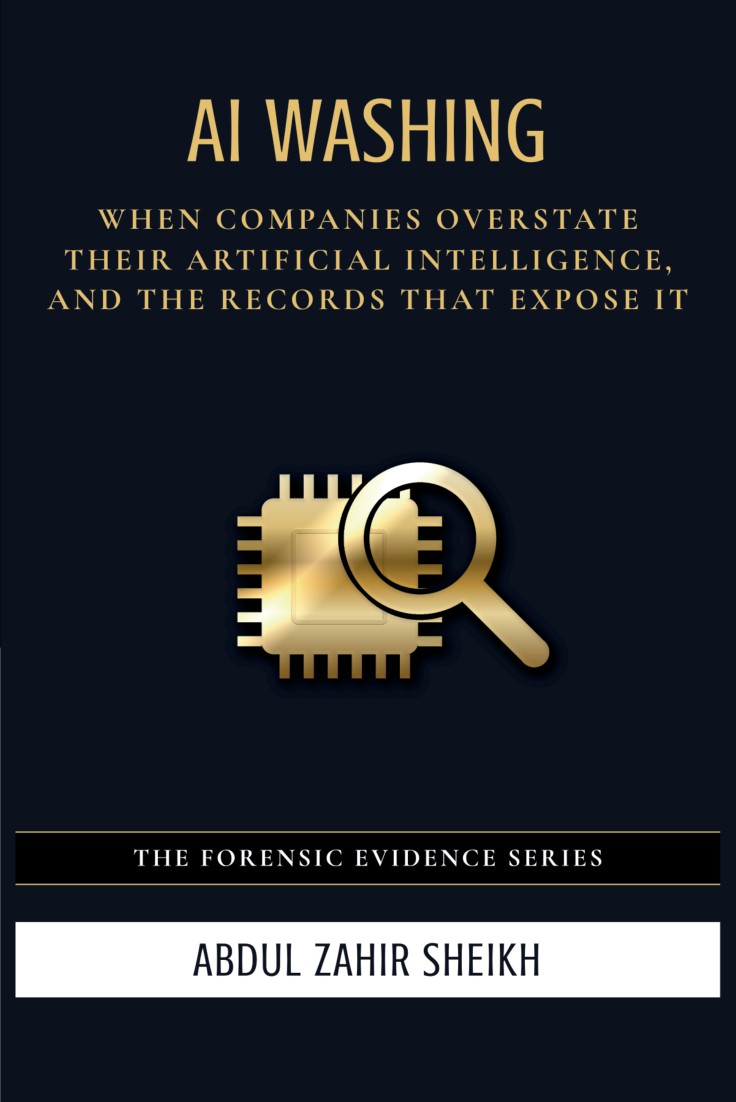
AI Washing
When Companies Overstate Their Artificial Intelligence, and the Records That Expose It
Paperback and eBook planned
Edition detailsBusiness, fraud & financial protection / New title
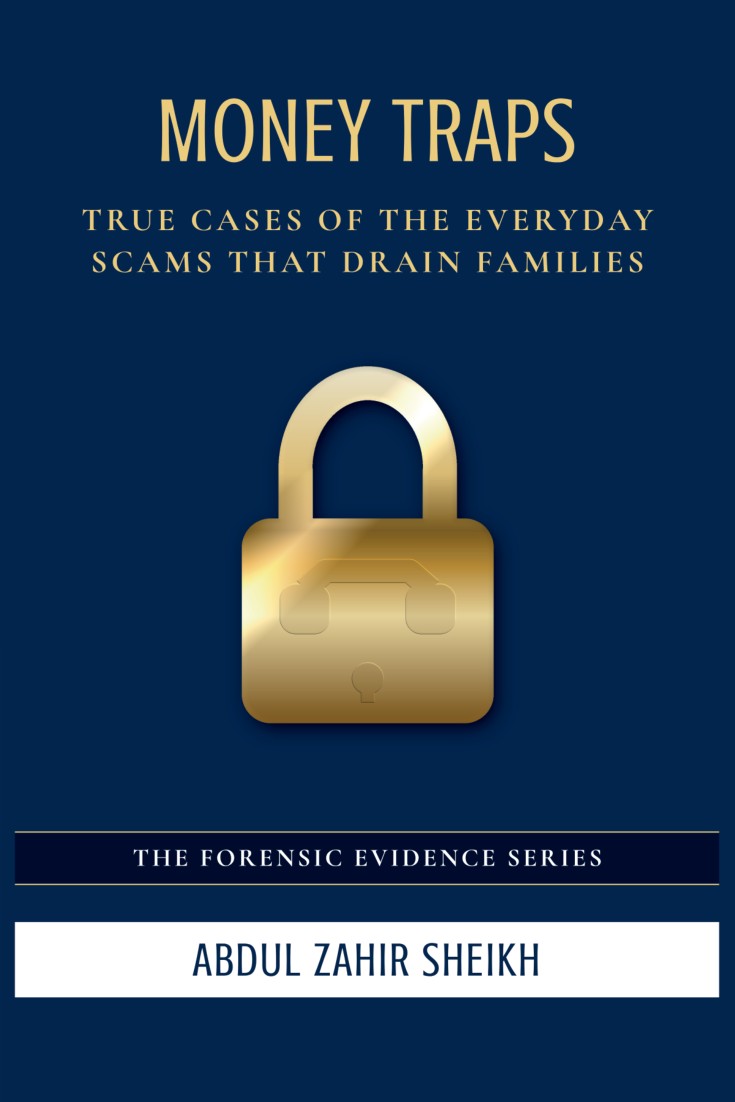
True Cases of the Everyday Scams That Drain Families
Most money lost to scams is sent by its owner, on an instruction that looked real. A fraud examiner shows seven everyday traps, from cloned voices to changed bank details, and the short checks that stop each one.
Abdul Zahir Sheikh · 288 paperback pages
Much of the money lost to scams leaves its account by the owner’s own hand. No one breaks in.
A money trap is a scam that gets you to send your own money, on an instruction that looks genuine at the time. In the United Kingdom, almost half of the £1.28 billion stolen through payment fraud in 2025 was sent by victims themselves. The FBI recorded $20.9 billion reported lost in the United States in a single year.
The checks that would have stopped those payments are short. They cost nothing, and they need no skill in spotting a fake.
Voices and faces can now be copied. The defence has not changed.
In Hong Kong in 2024 a finance worker paid out HK$200 million after a video call on which every face was fake. A copied voice cannot answer a question only the real person knows. A fake executive cannot pick up the real executive’s phone. Confirm the request through a channel you found yourself, and the copy has nothing to work with.
Part One shows why careful people still pay, through urgency, authority and politeness, held together by secrecy. Part Two takes seven everyday traps in turn. They are the cloned voice, the fake video call, the changed bank details and the caller from your bank. Then come the borrower who does not exist, the guaranteed return and the favour that becomes your debt. Each chapter opens with a case from the public record and gives the test that stops the trap.
Part Three gives one rule for every request to move money and a plan for the first hour after a loss. A household audit then makes your home much harder to rob. Kenya and East Africa stand beside the United States and the United Kingdom throughout, with their own law, regulators and mobile-money records.
Every case is a public record, and no victim is blamed. Several of them told their stories in public so that others would be warned.
Abdul Zahir Sheikh is a Certified Fraud Examiner, a Certified Public Accountant of Kenya and a Senior Partner at BDO East Africa in Nairobi. He has practised for forty years in fourteen countries, with more than a hundred forensic investigations and over thirty receiverships behind him.
Agree a family safe word this week. It is the first check, and it costs nothing.
New title. Retailer product links will be added when publication listings are confirmed. Availability and language may vary by country.
| Edition | ISBN | Status |
|---|---|---|
| Paperback | 978-9914-776-81-2 | Retailer listing pending |
| eBook | 978-9914-776-82-9 | Retailer listing pending |
| Hardcover | — | Not planned in supplied listing |
| Audiobook | — | Production files supplied; release not confirmed |
Ask about availability or bulk orders Browse available books
The following tools are included in the book. Full worksheets and source registers are not published here.
New title · listings pending
When Companies Overstate Their Artificial Intelligence, and the Records That Expose It
Paperback and eBook planned
Edition details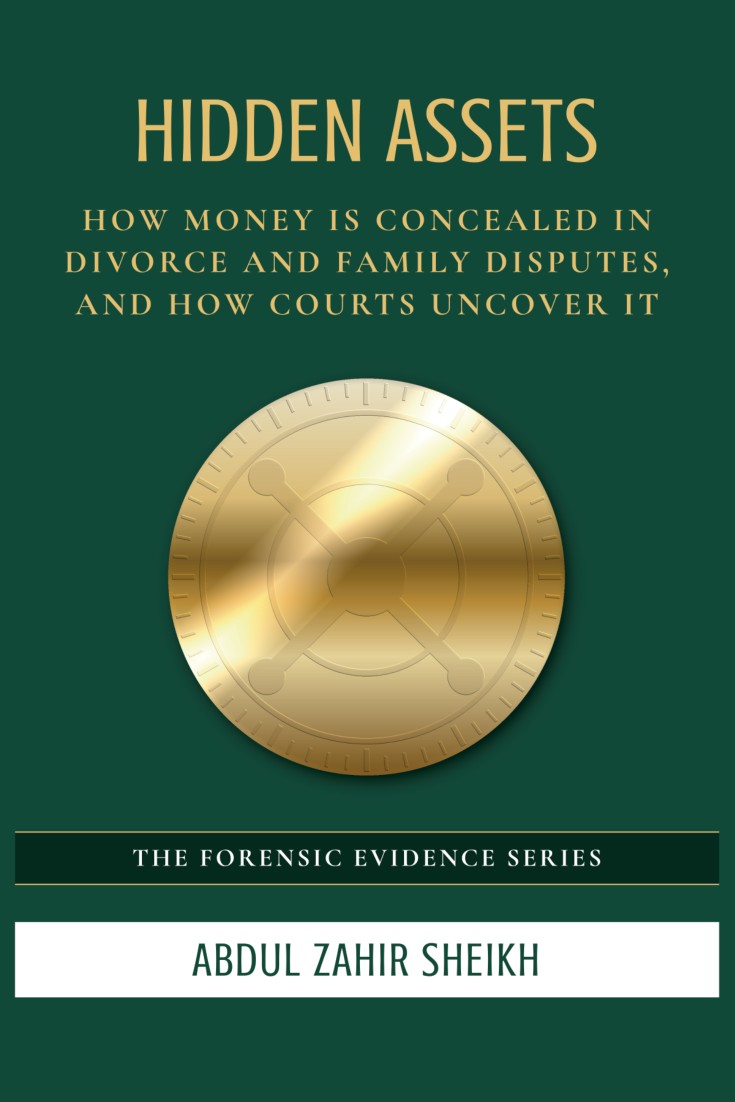
New title · listings pending
How Money Is Concealed in Divorce and Family Disputes, and How Courts Uncover It
Paperback and eBook planned
Edition details