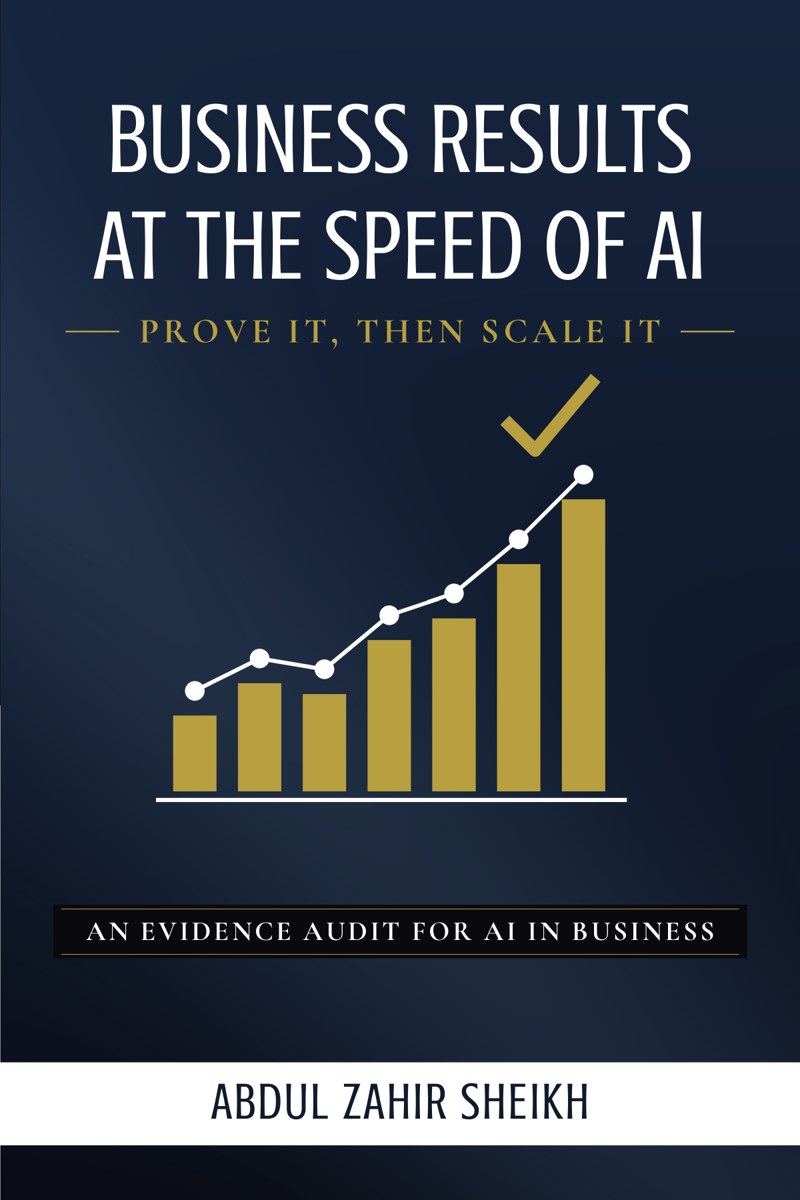
Business Results at the Speed of AI
Prove It, Then Scale It
An Evidence Audit for AI in Business
Most organisations use AI; few can show a return. Seven pillars of practice, each proved by a record, and an evidence opinion on every initiative before it is scaled.
- Paperback
- 978-9914-776-48-5
- eBook
- 978-9914-776-47-8
The book in ten slides
About three minutes; each slide stays up long enough to read
About the book
Your organisation is using AI. Can it show, from its own records, that AI has made it better off?
The largest surveys agree on two things: artificial intelligence is now used almost everywhere, and few organisations can show a return from it. More than half of the chief executives in one survey of over four thousand said AI had brought them neither higher revenue nor lower costs. Studies of individual deployments tell the same story. The gap is not in the technology. It is in the evidence.
This book approaches that gap the way an examiner approaches any claim: by asking for the evidence. Seven pillars, from choosing the right problem to deciding what to scale and what to stop, are each set out as practices proved or disproved by conduct that leaves a record, and every practice asks for a specific document. Record how the work stood before go-live. Measure time saved net of the time lost to checking and rework. Have each main result verified by someone who does not gain from it.
Enthusiasm is not evidence. The record is.
Scores become an evidence opinion on each initiative, in one of four forms modelled on the audit opinion, supported by an evidence file and acted on in a ninety-day cycle. Boards get the questions to ask. Executives get a way to show the return. Every initiative is scaled only when its results have been proved, and stopped when they cannot be.
Consider how an auditor signs an opinion. He does not certify what management believes; he certifies what the records support, and he says plainly when they support less. The book brings that discipline to artificial intelligence, alongside the governance it now demands: human review of material output, shadow AI brought into the light, honest conversations about jobs, and the regulation that is arriving in Europe, Kenya and beyond.
A pilot is a promise. A result is a record.
It is written for chief executives, finance directors and the members of boards and audit committees, above all in organisations that have spent on AI and cannot yet show the return. Its sources are named and graded, and where a figure reached the book through a press report rather than the original study, the note says so. It is a companion to The Leadership Evidence Map, which asks the same kind of question of the leader.
It is a practical book. It opens with the Evidence Test: five documents every AI initiative should be able to produce, and a way to run the test in a single meeting. It then examines what the published figures on AI returns can and cannot show, tests six explanations for the gap against the evidence, and names the signs that look like evidence of value and prove nothing, before the audit itself begins.
Each pillar adds a case, the red flags an examiner would look for, the excuses most often heard, and where to start. The scorecard is read from its weakest point upwards, because a single missing control can undo the return of an entire programme. The evidence file that supports each opinion is set out document by document, so that any board can ask for it, and any executive can assemble it before the board asks. Nothing in the method depends on a particular vendor, model or platform.
Written by Abdul Zahir Sheikh, a Certified Fraud Examiner and Senior Partner at BDO East Africa with four decades of experience testing what organisations claim against what they can show, this is the book that asks of artificial intelligence the question every board should already be asking.
Prove it. Then scale it.
More books
 The Quran’s Hidden Architecture
 The Googol Verdict
 The Creator’s Signature on the World He Made
 Knowing the Creator
 The Authentication Test
 The Origination Map
 The Common Source
 The Network of Truth
 The Zakat Theorem
 The Crucifixion File
 The Just Law
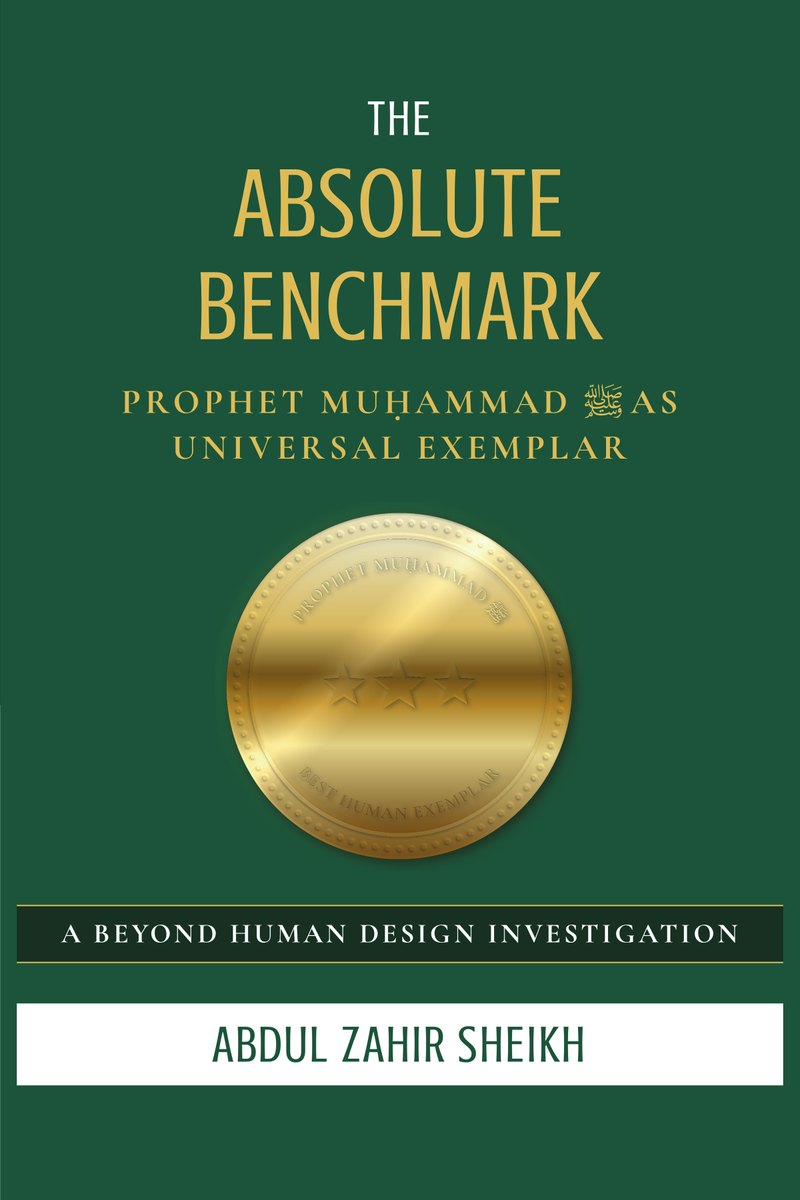 The Absolute Benchmark
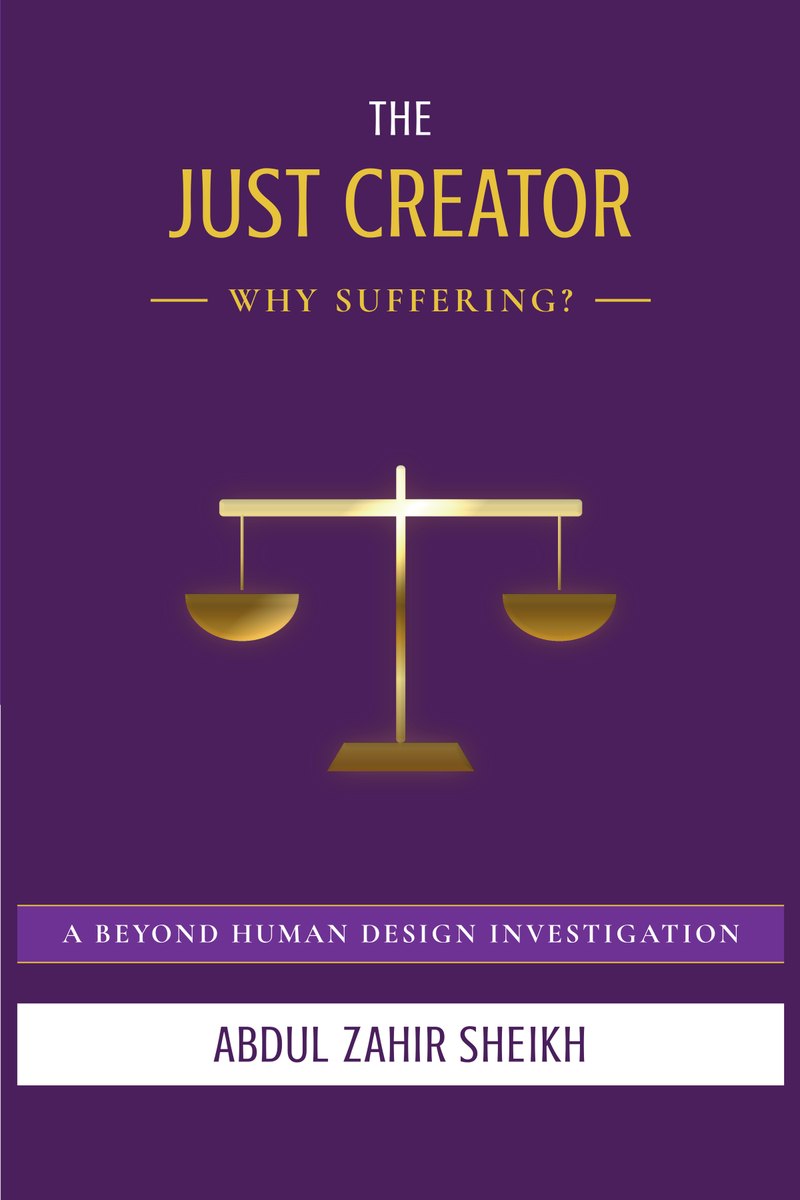 The Just Creator
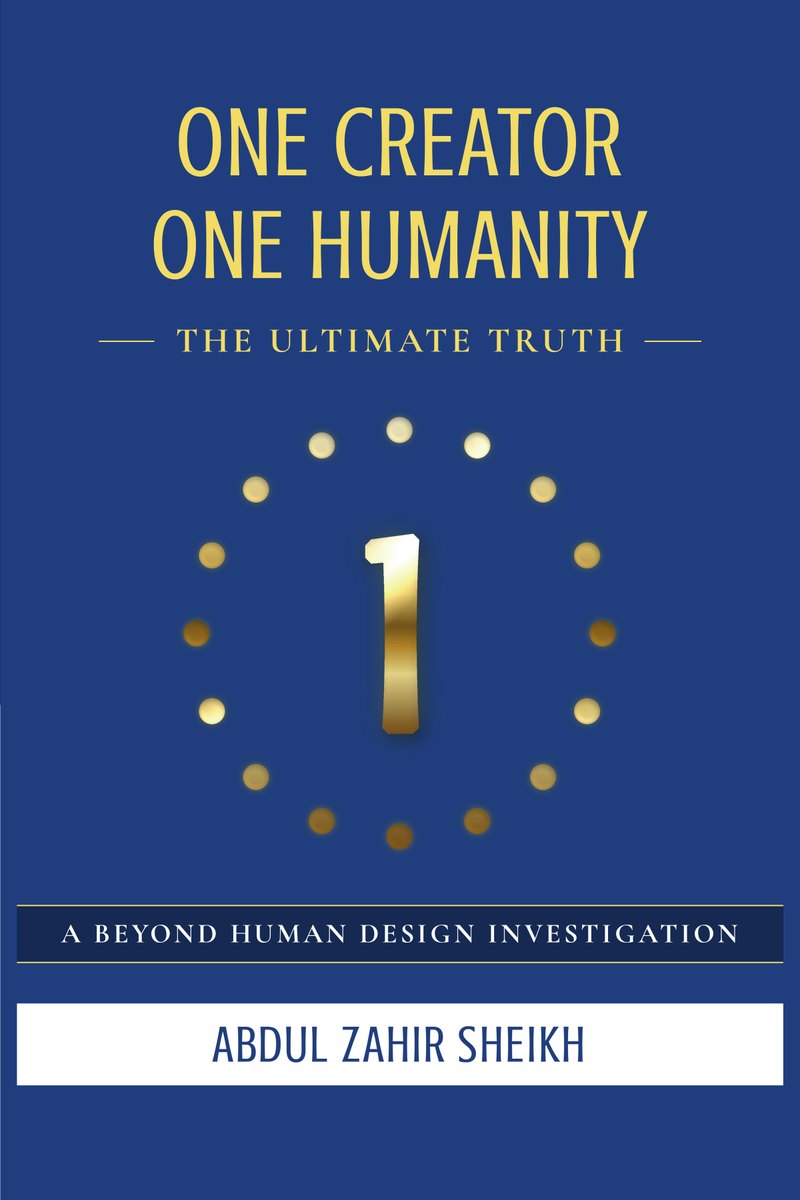 One Creator, One Humanity
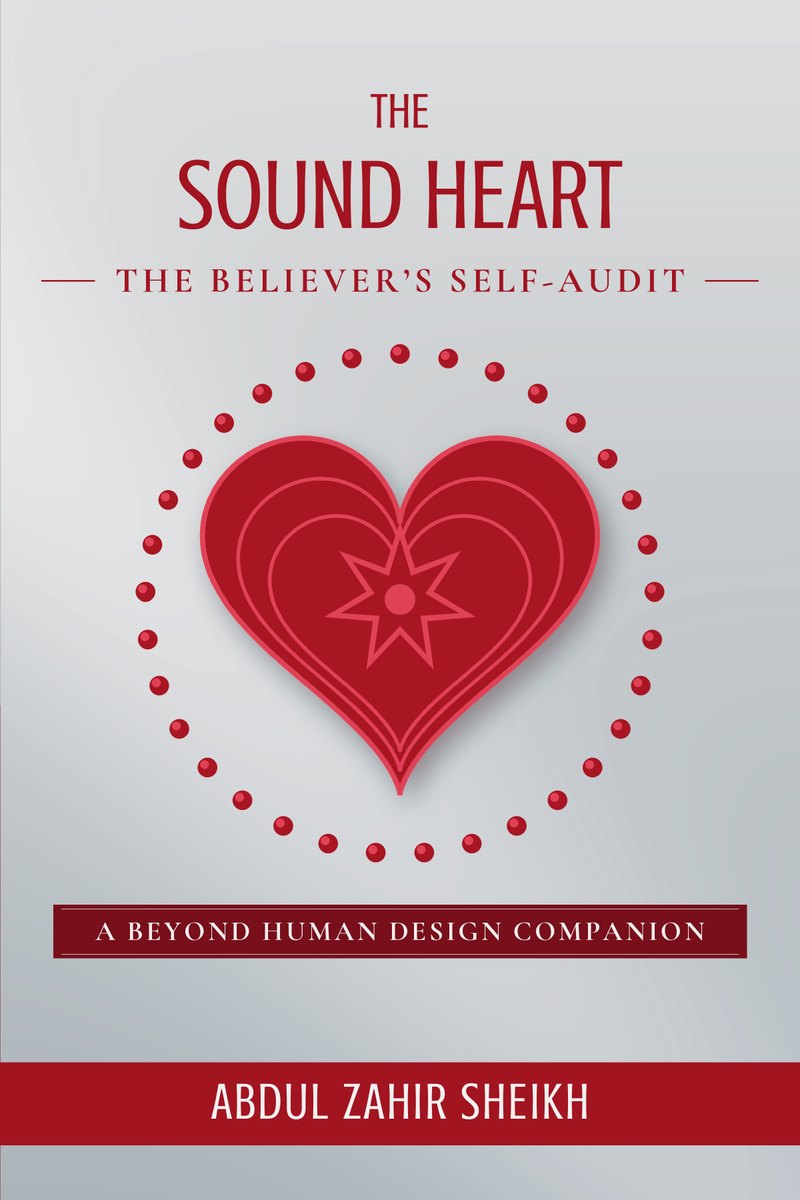 The Sound Heart
 The Leadership Evidence Map